Clean Cooking
Protecting health, dignity, and the environment through safer cooking
Smoke Is a Silent Health Risk
Traditional biomass and open-fire cooking exposes millions of women and children to harmful smoke daily, creating serious health consequences that are often overlooked.
Biomass and open-fire cooking exposes women and children to harmful smoke — creating indoor air pollution levels far exceeding safe limits
Indoor air pollution contributes to respiratory illness — affecting children's development and women's long-term health
Schools and institutions are especially affected — where large-scale cooking creates concentrated smoke exposure
Clean cooking is not just about convenience — it's a fundamental health intervention that protects the most vulnerable.
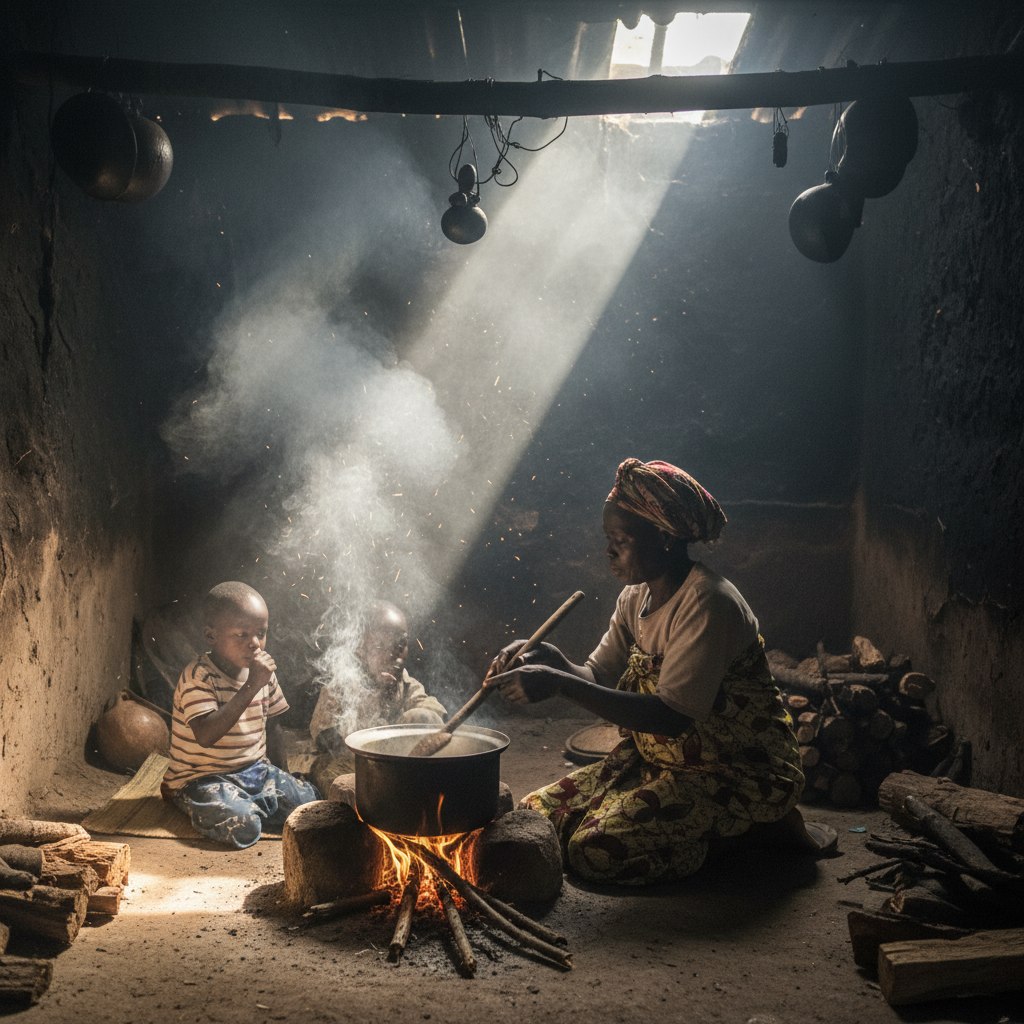
Indoor smoke threatens health daily
Clean, Safe Cooking Systems
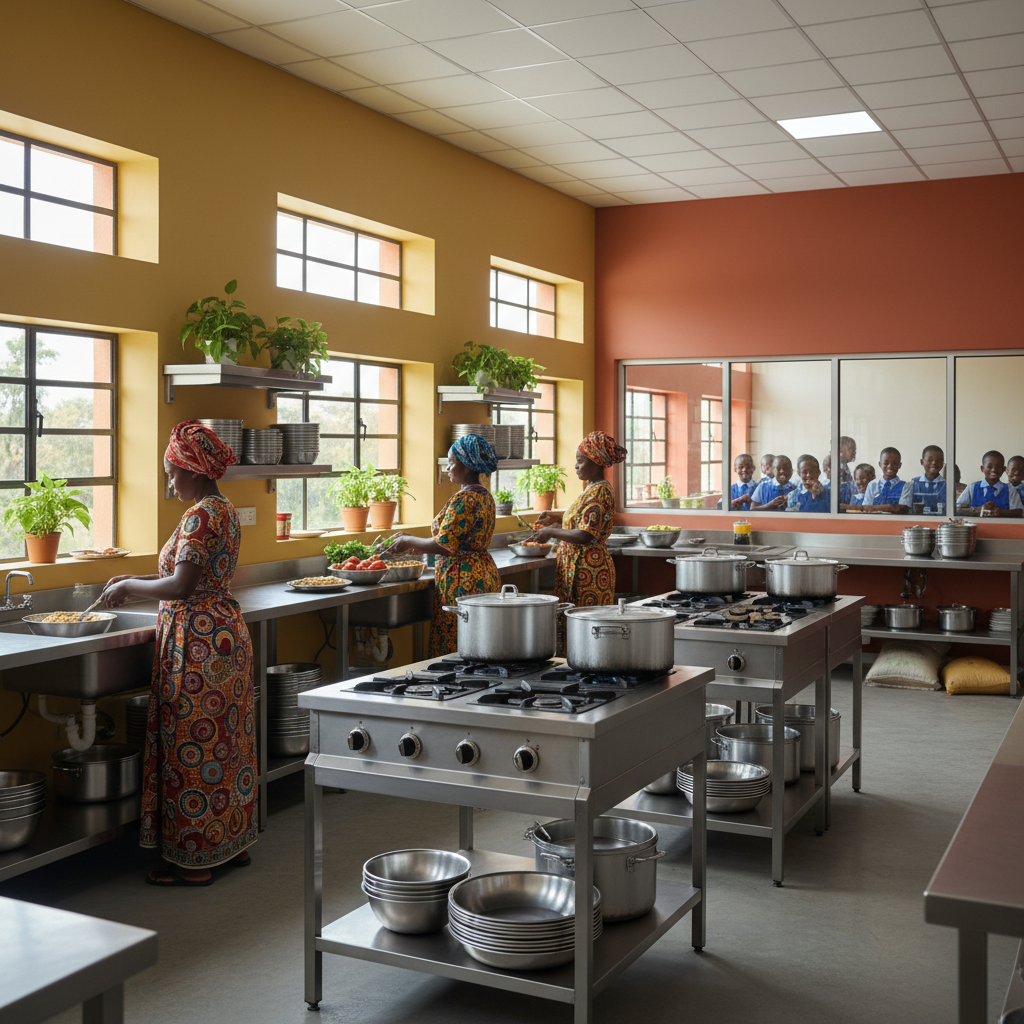
AHPI delivers integrated clean cooking technologies designed specifically for schools and community institutions, ensuring safe, efficient, and sustainable food preparation.
Clean, Efficient Cooking Technologies
Modern cooking systems that eliminate harmful smoke while reducing fuel consumption, designed for institutional-scale food preparation.
Systems Suitable for Schools & Institutions
Scalable solutions designed for high-volume cooking in educational and community settings, meeting the demands of daily meal preparation.
Integration with Renewable Energy
Where possible, cooking systems integrate with solar power infrastructure, creating comprehensive clean energy solutions for institutions.
Safety, Reliability & Ease of Use
User-friendly systems with built-in safety features, designed for daily operation by school staff and community members with minimal training.
Designed for Community Health
Health Protection
Eliminates harmful smoke exposure
Cost Savings
Reduced fuel consumption
Environmental Protection
Lower emissions and deforestation
What Clean Cooking Delivers
Every clean cooking installation provides measurable improvements to health, safety, economic efficiency, and environmental sustainability.
Reduced Indoor Air Pollution
Clean cooking systems eliminate harmful smoke and particulates, creating healthier indoor environments for cooking staff and students in schools and institutions.
Improved Respiratory Health
Removing smoke exposure reduces respiratory illness, asthma, and chronic lung conditions, particularly protecting women and children who spend time near cooking areas.
Reduced Fuel Costs & Labour
Efficient cooking technologies dramatically reduce fuel consumption and eliminate time spent collecting firewood, freeing resources for education and other priorities.
Safer Working Environments
Modern cooking systems reduce burn risks, fire hazards, and physical strain, creating safer conditions for cooking staff and community members.
Impact Where It Matters Most
Clean cooking transforms daily life in schools and communities, creating healthier environments and freeing time and resources for education and development.
Healthier Learning Environments in Schools
Students and staff benefit from smoke-free kitchens and dining areas, reducing illness and absenteeism while creating safer, more pleasant school environments.
Reduced Burden on Women & Girls
Efficient cooking systems eliminate hours spent collecting firewood and reduce smoke exposure, protecting health and freeing time for education and income-generating activities.
Lower Environmental Pressure on Forests
Reduced firewood consumption decreases deforestation and environmental degradation, protecting ecosystems and supporting long-term sustainability.
Time Savings for Education & Livelihoods
Hours previously spent on fuel collection and inefficient cooking can be redirected to schooling, skills development, and economic activities.
Clean Cooking Transforms Communities
When schools and institutions adopt clean cooking, entire communities benefit through improved health, environmental protection, and economic opportunity — creating lasting positive change.
Designed to Work With Community Energy Systems
Clean cooking is not a standalone solution — it's part of AHPI's comprehensive approach to community energy infrastructure.
Integrates with Solar Power & Mini-Grids
Where appropriate, clean cooking systems connect to solar power infrastructure and mini-grids, creating comprehensive renewable energy solutions that serve multiple institutional needs simultaneously.
Part of AHPI's Broader Community Energy Approach
Clean cooking complements healthcare energy systems, educational facility power, and community infrastructure — creating holistic energy solutions that address multiple development priorities.
Supports Long-Term Sustainability & Scalability
Integrated energy systems create economies of scale, shared maintenance infrastructure, and coordinated community support — ensuring long-term viability and enabling regional expansion.
One Piece of a Comprehensive Solution
Clean cooking works alongside healthcare energy, educational infrastructure, and community power systems — creating integrated solutions that transform entire communities, not just individual facilities.
From Pilot Programs to Regional Adoption
AHPI's systematic approach validates clean cooking models through pilot programs, then scales proven solutions across regions as part of integrated community energy initiatives.
Initial Deployments in Schools & Community Institutions
Pilot installations in educational and community facilities test cooking system performance, validate health impact, and refine operational procedures in real-world institutional settings.
Use of Pilots to Refine Delivery Models
Pilot data informs system optimization, training programs, and maintenance protocols. Lessons learned are documented and integrated into standardized deployment procedures for efficient scaling.
Expansion Across Regions as Part of Integrated Programs
Proven clean cooking solutions expand alongside healthcare energy systems and educational infrastructure, creating comprehensive community energy programs that address multiple development priorities simultaneously.
Regional Vision for Clean Cooking
AHPI's integrated approach enables clean cooking deployment across multiple countries and regions, bringing health protection and environmental sustainability to thousands of schools and community institutions over the coming years.
Replace Smoke With Health
Support clean cooking solutions that protect people and the planet.