Solar Water & Irrigation
Reliable water for health, hygiene, and food security
Water Access Is Essential to Health
Healthcare facilities across sub-Saharan Africa face a fundamental challenge: without reliable water access, even the most basic health services become impossible to deliver safely.
Clinics require water for hygiene, sanitation, and infection control — essential for safe childbirth, wound care, and disease prevention
Communities rely on consistent water access for daily health — supporting nutrition, hygiene, and overall wellbeing
Unreliable water undermines healthcare delivery — forcing clinics to turn away patients or provide substandard care
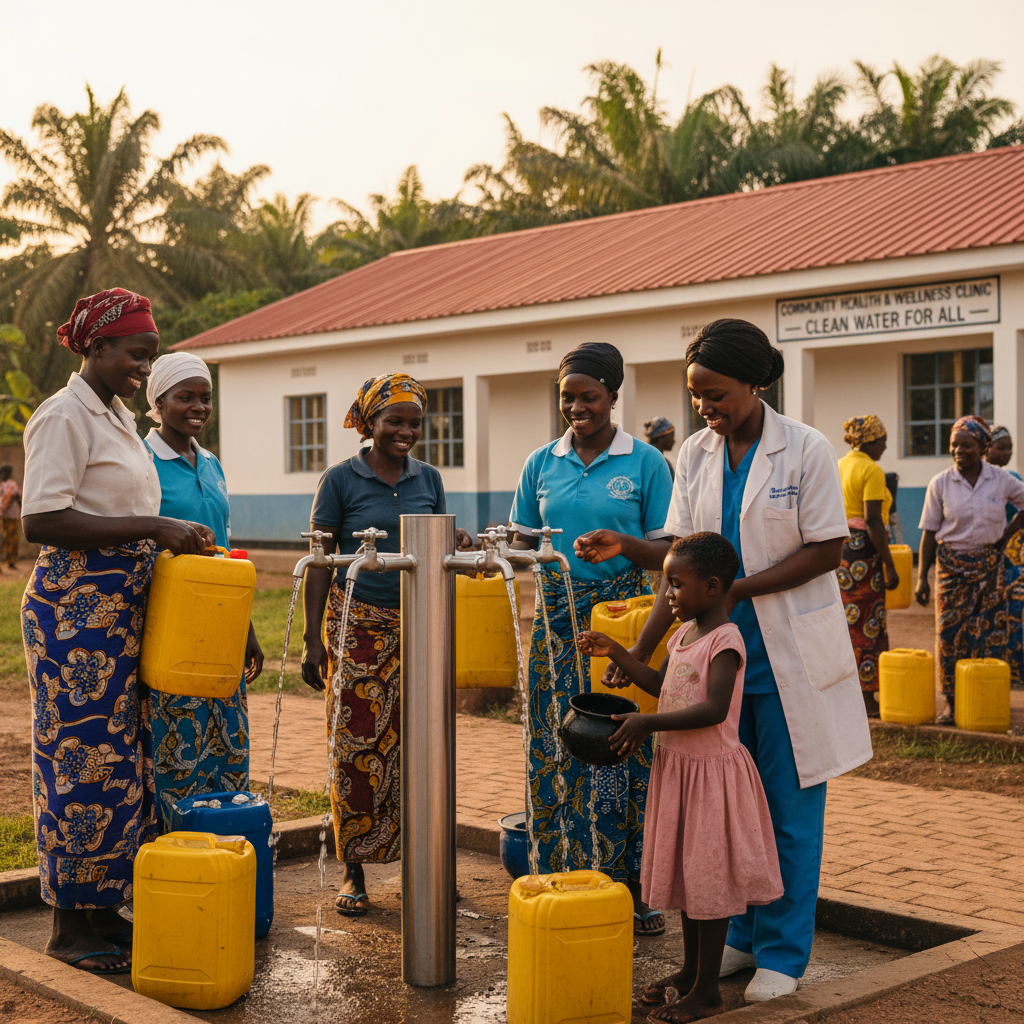
Water access enables healthcare delivery
The Limits of Fuel-Based and Manual Systems
Traditional water systems in rural healthcare settings rely on diesel pumps or manual collection. Both approaches create significant barriers to reliable water access.
Diesel pumps are costly and unreliable: Fuel supply chains are inconsistent, operating costs are high, and maintenance requirements are complex.
Fuel shortages disrupt water access: When diesel is unavailable, water systems stop functioning, leaving clinics without the water they need for critical services.
Manual systems place heavy burdens on communities: Collecting water manually consumes time and labor, particularly affecting women and children.
These limitations make it difficult for healthcare facilities to maintain the hygiene and sanitation standards essential for safe care delivery.
Solar-Powered Water Systems
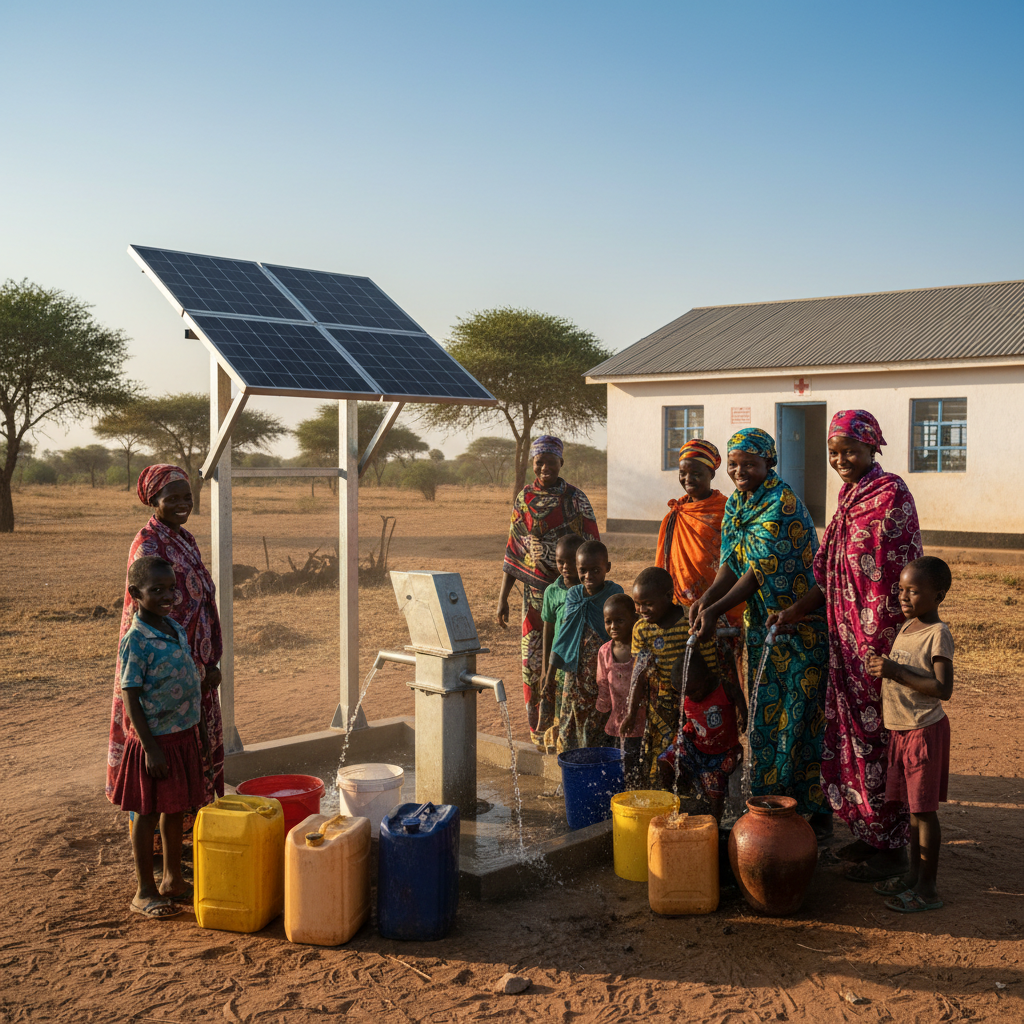
AHPI delivers integrated solar water systems designed for healthcare facilities and communities, ensuring reliable water access without fuel dependency.
Solar-Powered Pumping Systems
High-efficiency solar pumps designed for African climate conditions, providing consistent water delivery without fuel costs or grid dependency.
Water Storage & Distribution Infrastructure
Integrated storage tanks and distribution systems ensure water availability during nighttime and cloudy periods, maintaining continuous access.
Low-Maintenance, Long-Life Systems
Durable components with minimal maintenance requirements, designed for reliable operation in remote settings with limited technical support.
Community-Centered Design
Systems designed with community input and local capacity building, ensuring long-term sustainability and local ownership.
Designed for Reliability and Sustainability
Zero Fuel Dependency
No diesel costs or supply disruptions
Low Operating Costs
Minimal maintenance and no fuel expenses
Reliable Daily Access
Consistent water for health and hygiene
What These Systems Deliver
Every AHPI solar water system provides measurable improvements to healthcare delivery, community health, and environmental sustainability.
Reliable Water for Clinics
Consistent water supply enables healthcare facilities to maintain hygiene standards, perform safe deliveries, and provide quality care without interruption.
Improved Hygiene and Sanitation
Reliable water access supports handwashing, sterilization, and infection control—fundamental requirements for safe healthcare delivery.
Reduced Fuel and Operating Costs
Solar-powered systems eliminate diesel expenses and reduce maintenance costs, freeing healthcare budgets for medical supplies and staff.
Lower Environmental Impact
Clean energy water systems reduce carbon emissions and eliminate local air pollution from diesel generators, protecting community health.
Supporting Climate-Smart Agriculture
Beyond healthcare facilities, solar-powered irrigation systems enable communities to strengthen food security and build climate resilience through reliable agricultural water access.
Solar irrigation enables consistent crop production — reducing dependence on unpredictable rainfall patterns
Reduces reliance on diesel pumps — eliminating fuel costs and supply chain vulnerabilities
Improves food security and livelihoods — supporting nutrition and economic stability
Supports climate resilience in rural areas — adapting to changing weather patterns
Solar irrigation systems create a foundation for sustainable agriculture, linking health, nutrition, and economic development.
Part of an Integrated Energy Platform
Solar water systems don't operate in isolation—they integrate with healthcare energy infrastructure and community mini-grids as part of AHPI's holistic approach.
Clinic Integration
Water systems connect with healthcare facility power infrastructure for comprehensive service delivery.
Mini-Grid Connectivity
Where community mini-grids exist, water systems integrate for optimized energy use and reliability.
Holistic Sustainability
Integrated systems support long-term sustainability through shared maintenance and community ownership.
From Local Systems to Regional Impact
AHPI's approach to solar water infrastructure follows a proven pathway from pilot installations to regional-scale deployment.
Initial Deployments Linked to Clinics and Communities
First installations focus on healthcare facilities and their surrounding communities, ensuring immediate health impact while building local technical capacity and community ownership.
Use of Pilots to Refine Technical and Delivery Models
Pilot projects test system designs, maintenance protocols, and community engagement approaches—generating evidence and best practices for larger-scale implementation.
Expansion as Part of Integrated Regional Programs
Successful pilots scale into comprehensive regional programs, integrating water systems with healthcare energy infrastructure, mini-grids, and agricultural development initiatives.
Power Water. Strengthen Communities.
Support solar water systems that improve health, livelihoods, and resilience.