
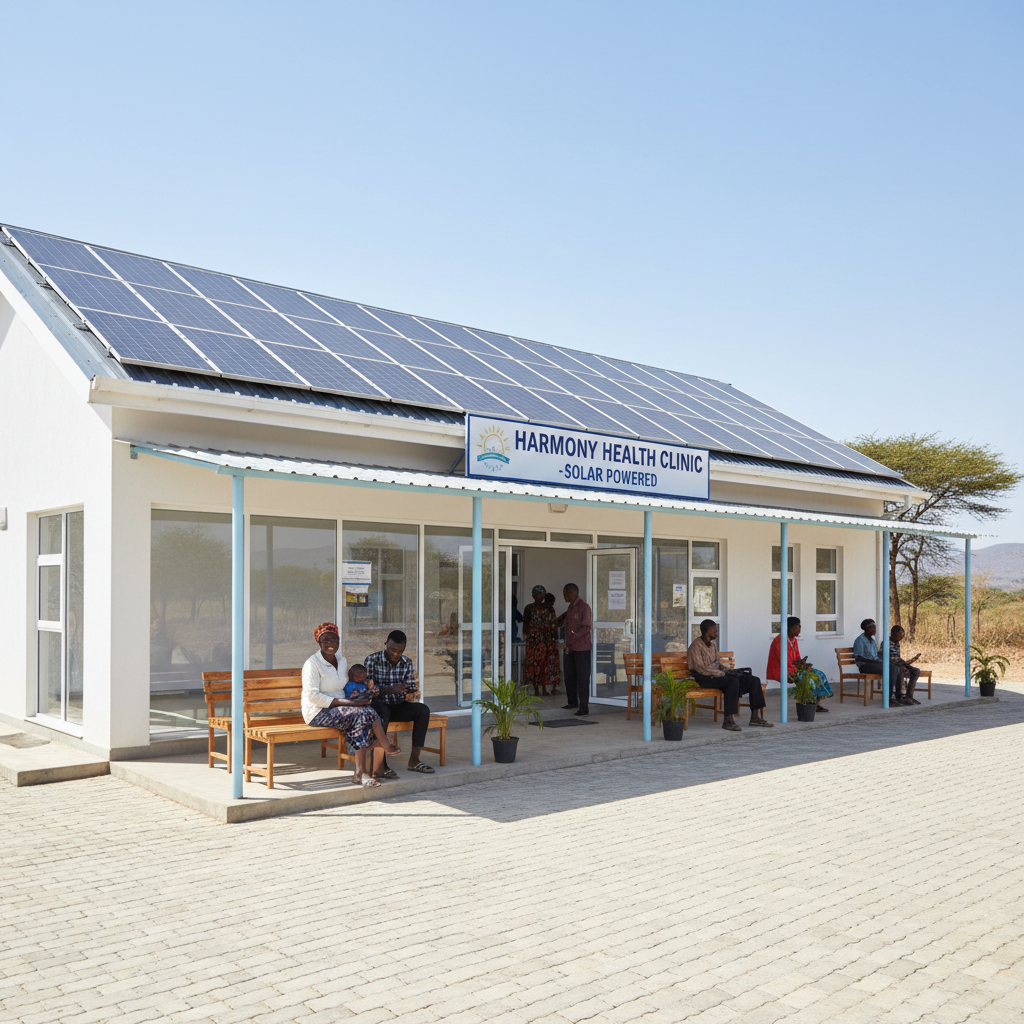
Measuring Impact That Matters
Tracking health, energy, and climate outcomes across our programs
Why Impact Measurement Matters
Reliable data builds trust with donors, partners, and communities. When impact is measured transparently, stakeholders can see exactly how resources translate into outcomes.
Measurement ensures accountability at every level—from system performance to health service delivery. It provides the evidence base for continuous improvement and informed decision-making.
Donor-grade transparency means every metric is verifiable, every outcome is documented, and every investment is tracked from deployment to long-term impact.
Data-Driven Impact
Core Impact Metrics
Comprehensive tracking across four key categories ensures complete visibility into program performance and outcomes
Energy Performance
System uptime, reliability, battery performance, and power availability metrics tracking 24/7 operational capacity.
Health Outcomes
Patient care continuity, emergency response capability, vaccine storage reliability, and service delivery improvements.
Climate & Cost Impact
CO₂ emissions reduction, diesel fuel savings, operational cost efficiency, and environmental footprint metrics.
System Reliability
Equipment uptime, maintenance cycles, system lifespan tracking, and long-term performance validation.
Pilot Phase Metrics (Illustrative)
Early indicators from pilot deployments demonstrating technical viability and operational performance
Reliable Power
Continuous energy availability for healthcare services
System Uptime
Operational performance across pilot installations
Diesel Reduction
Fuel consumption decrease compared to baseline
System Lifespan
Expected operational duration with proper maintenance
Note: These metrics represent early-stage pilot performance and are used to demonstrate technical and operational viability. Comprehensive long-term data will be available as programs scale.
Health & Service Outcomes
Reliable energy infrastructure directly translates to improved healthcare delivery and better patient outcomes
Improved Emergency Response
24/7 emergency care capability with powered medical equipment, lighting, and communication systems enabling rapid response regardless of time of day.
Protected Vaccine Cold Chains
Continuous refrigeration maintaining vaccine efficacy and preventing waste, ensuring immunization programs remain effective and reliable.
Safer Night-Time Deliveries
Reliable lighting and powered medical equipment during maternal care, reducing complications and improving outcomes for mothers and newborns.
Reduced Service Disruptions
Elimination of power-related service interruptions, ensuring consistent access to diagnostic equipment, laboratory services, and patient care.
Outcomes, Not Just Outputs
AHPI measures what matters most: the real-world health improvements that result from reliable energy infrastructure. Every metric connects directly to better patient care and stronger health systems.
Climate & Environmental Impact
Clean energy infrastructure delivers measurable environmental benefits alongside improved healthcare delivery
Reduced CO₂ Emissions
Solar energy systems eliminate diesel generator emissions, reducing carbon footprint by 60-80% compared to traditional power sources. Each clinic prevents multiple tons of CO₂ annually.
Lower Air and Noise Pollution
Silent solar operation eliminates diesel generator noise and exhaust fumes, creating healthier environments for patients, staff, and surrounding communities.
Reduced Fuel Transport Risk
Eliminating diesel dependency removes the need for frequent fuel deliveries, reducing road accidents, fuel spills, and associated environmental hazards.
Dual Impact: Health and Climate
Every AHPI installation delivers both immediate health benefits and long-term environmental gains, creating sustainable value for communities and the planet.
Data, Monitoring & Reporting
AHPI systems are designed from the ground up to support comprehensive monitoring, transparent reporting, and continuous accountability
Monitor Performance Over Time
Continuous tracking of system performance, energy production, and operational metrics to identify trends and optimize efficiency.
Generate Donor-Grade Reports
Comprehensive reporting frameworks designed to meet institutional donor requirements for transparency and accountability.
Support Future Live Dashboards
Infrastructure designed to enable real-time data visualization and remote monitoring as programs scale and mature.
Built for Accountability
Every AHPI installation includes monitoring infrastructure designed to support transparent reporting and donor accountability. As programs mature, this foundation will enable real-time dashboards and advanced analytics, ensuring stakeholders always have access to verified performance data.
From Measurement to Continuous Improvement
Impact measurement isn't just about reporting—it's about learning, adapting, and delivering better outcomes over time
Metrics Inform System Optimization
Performance data guides technical improvements, maintenance scheduling, and system design refinements for future installations.
Data Supports Scale and Replication
Proven performance metrics build confidence for expansion, enabling replication of successful models across new geographies.
Continuous Learning Improves Outcomes
Systematic analysis of operational data drives iterative improvements, ensuring each installation performs better than the last.
Building a Learning Organization
AHPI's commitment to rigorous measurement creates a feedback loop that drives continuous improvement. Every data point informs better decisions, every metric guides smarter investments, and every lesson learned strengthens future programs.
Impact You Can See and Trust
Support programs that deliver measurable, lasting results.