Programs in Tanzania & Zanzibar
Building resilient health and community systems through clean energy
Why Tanzania & Zanzibar
Tanzania and Zanzibar face significant energy insecurity that directly impacts healthcare delivery across rural and peri-urban communities.
These regions provide a strong foundation for pilot programs due to established institutional presence, proven delivery capacity, and supportive regulatory environments.
Initial deployments in Tanzania and Zanzibar demonstrate technical viability and operational effectiveness, creating a proven model for regional scale.

Strong institutional capacity enables effective program delivery
Current Program Focus
AHPI programs in Tanzania and Zanzibar deliver coordinated, system-level clean energy solutions across healthcare and community institutions.
Healthcare Facilities
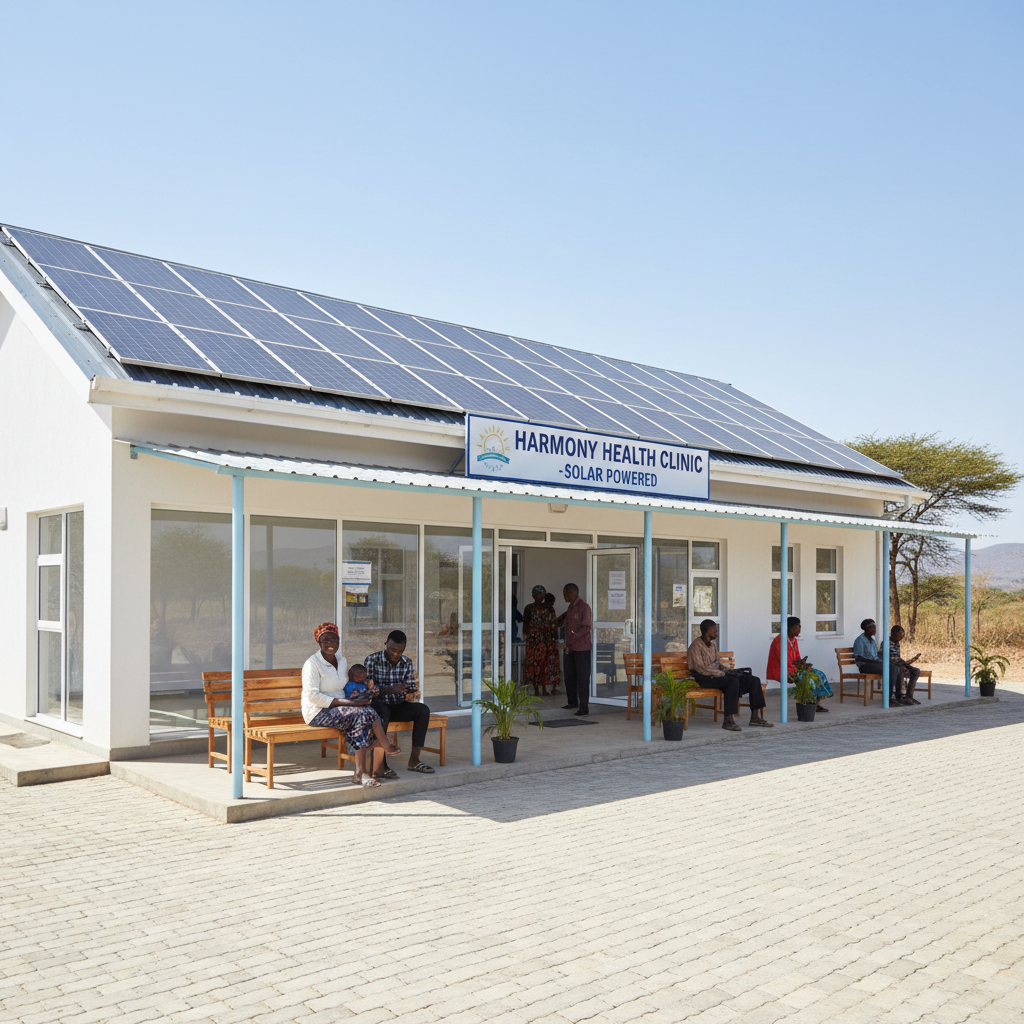
Powering primary healthcare clinics with reliable solar energy systems, ensuring continuous operation of critical medical equipment and services.
Schools & Education
Supporting schools and community institutions with clean energy access, enabling extended learning hours and improved educational outcomes.
Integrated Systems
Integrating clean cooking and water systems alongside energy infrastructure, addressing multiple community needs through coordinated delivery.
System-Level Approach
Programs emphasize coordinated delivery across multiple sectors, ensuring that energy infrastructure supports comprehensive community development and healthcare strengthening.
Pilot Clinics & Projects
Initial deployments demonstrate technical and operational viability, providing real-world data to refine systems and validate delivery models.
Pilot Purpose: These initial deployments test system performance under real-world conditions, validate technical specifications, and refine operational procedures before regional expansion.
Partnership & Delivery Model
Programs are delivered through coordinated partnerships that combine humanitarian expertise, technical capacity, and local institutional knowledge.
Humanitarian Partners
Led by Tanzania Red Cross Society with established community presence and healthcare delivery experience.
Technical Partners
Experienced energy system providers ensure quality installation, maintenance, and performance monitoring.
Local Institutions
Collaboration with local authorities and health ministries ensures regulatory compliance and long-term sustainability.
Local Engagement & Compliance
Community Participation
Local stakeholders engaged throughout project lifecycle
Regulatory Alignment
Full compliance with national energy and health standards
Capacity Building
Training local technicians for ongoing maintenance
Institutional Coordination
Alignment with government health and energy priorities
Measuring Impact on the Ground
Programs track operational performance and health outcomes through systematic monitoring, providing data to validate effectiveness and inform expansion.
Energy System Performance
- System uptime and reliability metrics
- Power generation and consumption data
- Battery performance and degradation tracking
Healthcare Service Delivery
- Clinic operating hours and service availability
- Medical equipment functionality and usage
- Patient visits and health outcomes
Environmental Impact
- Diesel and kerosene fuel displacement
- Carbon emissions reduction
- Cost savings from reduced fuel purchases
Operational Performance
- Maintenance frequency and response times
- System failure rates and resolution
- Staff training and technical capacity
Future Live Dashboards
Monitoring systems are designed to support future live dashboards, enabling real-time visibility into program performance and impact for funders, partners, and stakeholders.
From Tanzania & Zanzibar to Regional Expansion
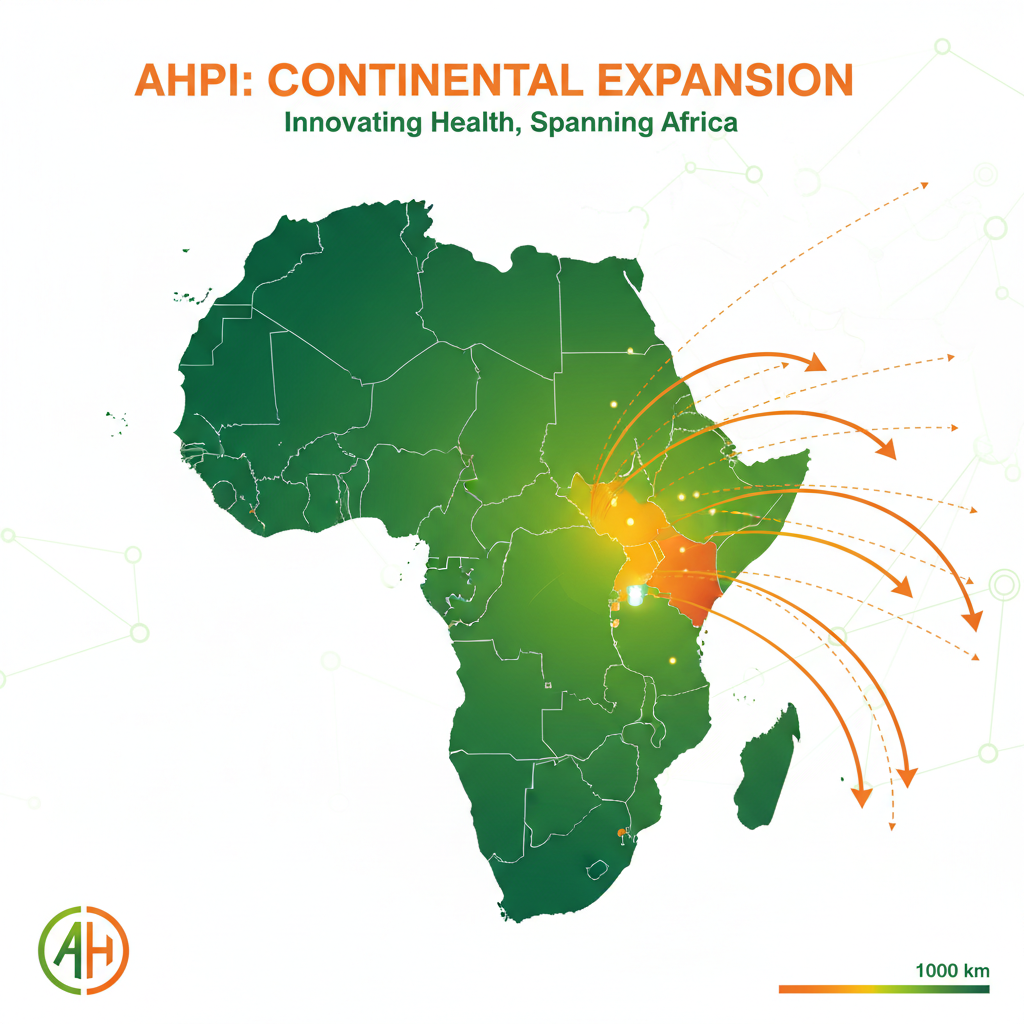
Lessons learned from Tanzania and Zanzibar programs create a proven blueprint for clean energy healthcare delivery across East Africa and beyond.
Validated Technical Models
Pilot data validates system designs, component specifications, and performance expectations for diverse African contexts.
Standardized Delivery Procedures
Operational lessons inform standardized installation, maintenance, and training protocols that enable rapid replication.
Regional Replication Blueprint
Proven models serve as blueprints for expansion across Kenya, Uganda, Rwanda, and other East African countries.
Scale Through Standardization
AHPI's approach prioritizes learning and refinement in initial deployments, creating standardized systems and procedures that enable cost-effective, quality-assured expansion across multiple countries and regions.
Reduced Deployment Costs
Standardization lowers per-unit costs
Faster Implementation
Proven procedures accelerate rollout
Consistent Quality
Standardized systems ensure reliability
Support Programs Where Impact Is Measured
Help scale proven clean energy solutions across healthcare and communities.